Peptides will arrive in a lyophilized (powder) form for maximum stability.
5-Amino-1MQ is a small molecule, not a peptide: a methylquinolinium compound that acts as a selective, membrane-permeable inhibitor of nicotinamide N-methyltransferase. It is studied in cultured adipocytes and in diet-induced obese mice.
Select options
This product has multiple variants. The options may be chosen on the product page
Peptides will arrive in a lyophilized (powder) form for maximum stability.
Adipotide is a bipartite peptidomimetic combining a nine-residue sequence that homes to white adipose vasculature with a proapoptotic effector domain. It is studied in obese mouse models of targeted ablation of adipose tissue vasculature.
Peptides will arrive in a lyophilized (powder) form for maximum stability.
AICAR is a nucleoside or nucleotide compound, not a peptide. The name is used for two related species: the ribonucleotide ZMP, an intermediate of de novo purine biosynthesis, and the corresponding riboside acadesine. Both are studied in connection with AMPK activation.
Peptides will arrive in a lyophilized (powder) form for maximum stability.
AOD 9604 is a synthetic 16-residue peptide corresponding to the C-terminal region of human growth hormone, residues 177–191, with a tyrosine added at the N-terminus. It is studied in obese and knockout mouse models of lipid metabolism.
Peptides will arrive in a lyophilized (powder) form for maximum stability.
ARA-290 (cibinetide) is an 11-residue peptide modeled on the aqueous face of helix B of erythropoietin. It activates the tissue-protective receptor complex without erythropoietic activity, and is studied in rodent models of ischemic and inflammatory injury.
Peptides will arrive in a lyophilized (powder) form for maximum stability.
Bacteriostatic water is sterile water containing a bacteriostatic preservative, supplied as a laboratory consumable rather than a research compound. It is used as a diluent for reconstituting lyophilized materials where repeated withdrawals from a single vial are required.
Note: Every peptide vial comes with BAC water included. Please order BAC water only if you need an additional vial(s). More information on what’s included with your order can be found here.
Peptides will arrive in a lyophilized (powder) form for maximum stability.
BPC-157 is a synthetic pentadecapeptide corresponding to a partial sequence of body protection compound, a protein isolated from human gastric juice. It is studied in rat models of tendon, ligament, muscle and gastrointestinal injury, and in cultured fibroblasts.
Peptides will arrive in a lyophilized (powder) form for maximum stability.
BTM 13.5mg from LeoLab™ USA is a ≥99% pure research-grade peptide blend containing BPC-157 10mg, TB-500 2.5mg, and MGF 1mg. It is widely used in cellular, molecular, and peptide research to study growth-factor signalling, peptide–protein interactions, tissue-related pathways, and biochemical response mechanisms.
Peptides will arrive in a lyophilized (powder) form for maximum stability.
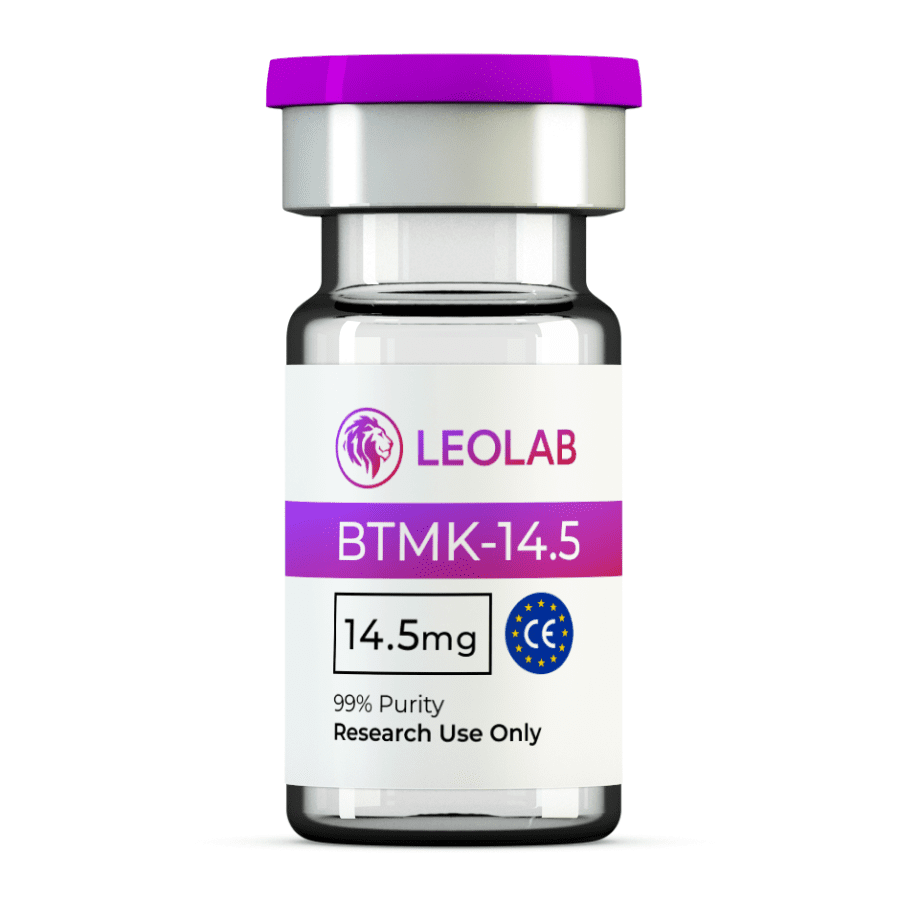
BTMK 14.5mg from LeoLab™ USA is a ≥99% pure research-grade peptide blend containing BPC-157 10mg, TB-500 2.5mg, MGF 1mg, and KPV 1mg. It is widely used in cellular, molecular, and peptide research to study growth-factor signalling, peptide–protein interactions, tissue-related pathways, extracellular matrix models, and biochemical response mechanisms.
Peptides will arrive in a lyophilized (powder) form for maximum stability.
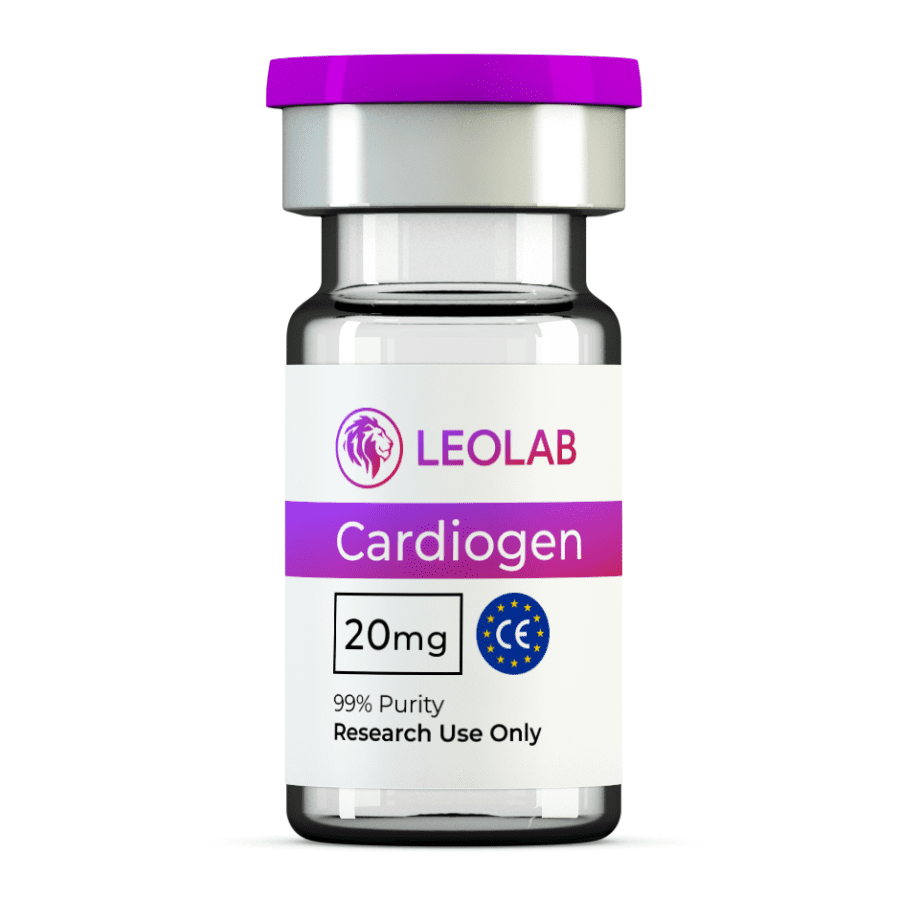
Cardiogen is a synthetic tetrapeptide (Ala-Glu-Asp-Arg) from the family of ultrashort peptide bioregulators, associated within that family with cardiac tissue. The published evidence base is limited and largely computational.
Peptides will arrive in a lyophilized (powder) form for maximum stability.
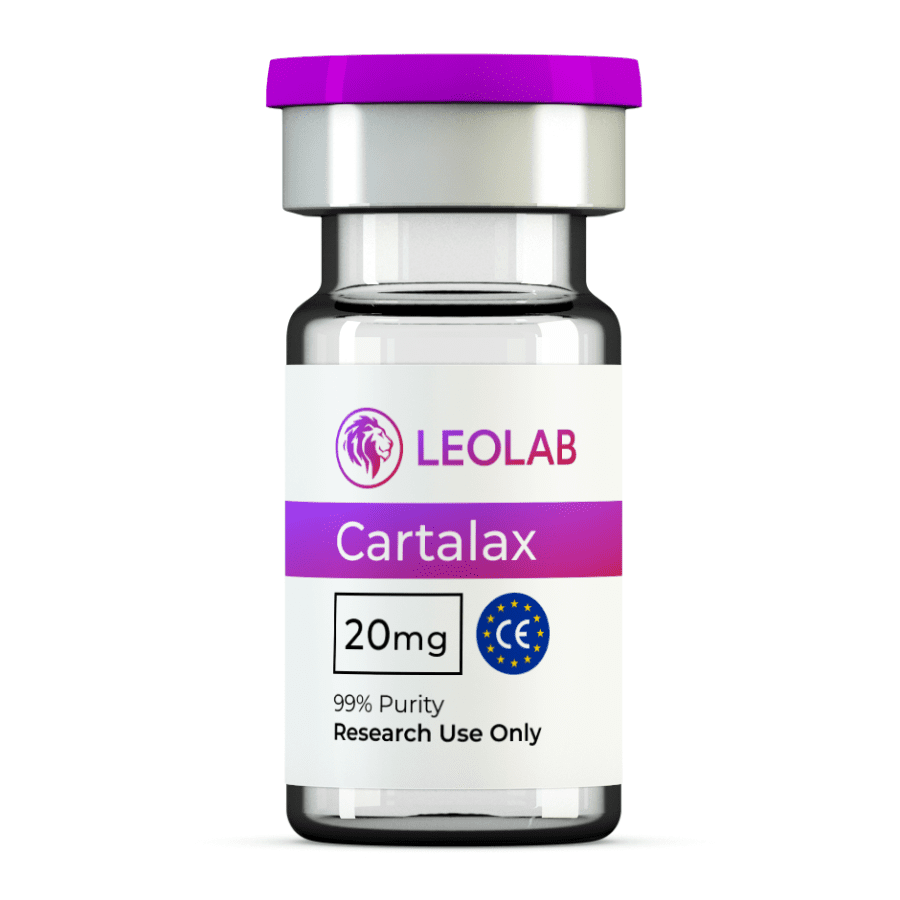
Cartalax is a synthetic tripeptide (Ala-Glu-Asp) from the family of ultrashort peptide bioregulators, associated within that family with cartilage and connective tissue. It appears in reports on stem cell differentiation and gene expression.
Peptides will arrive in a lyophilized (powder) form for maximum stability.
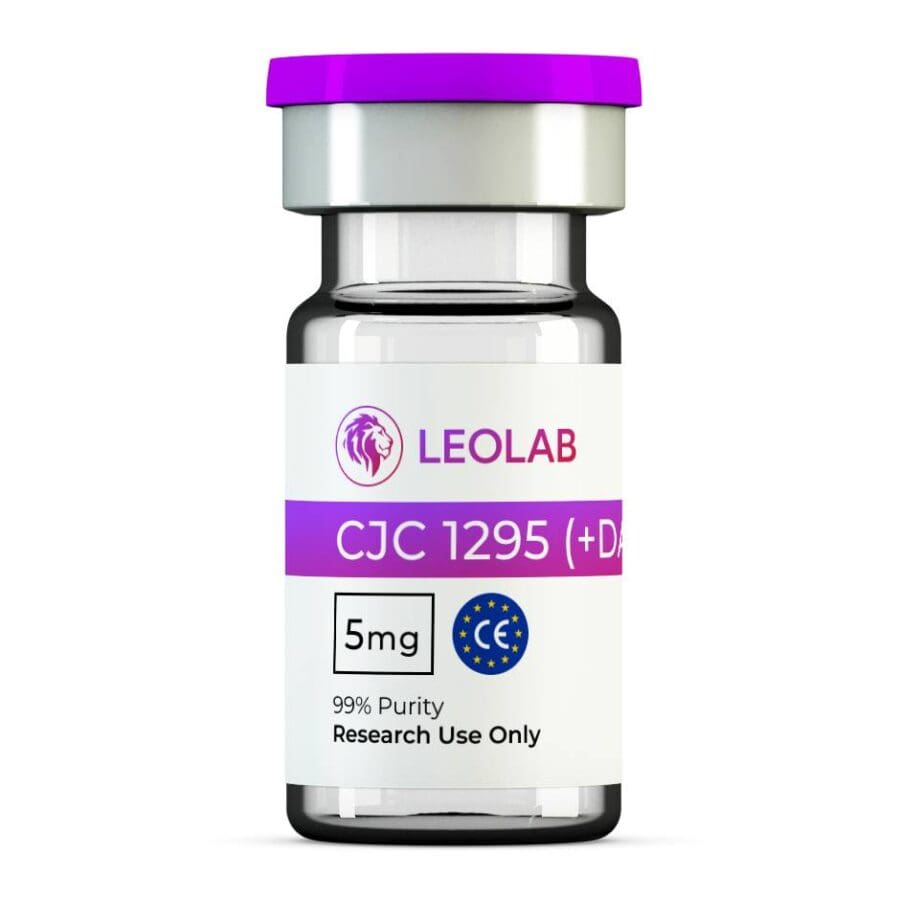
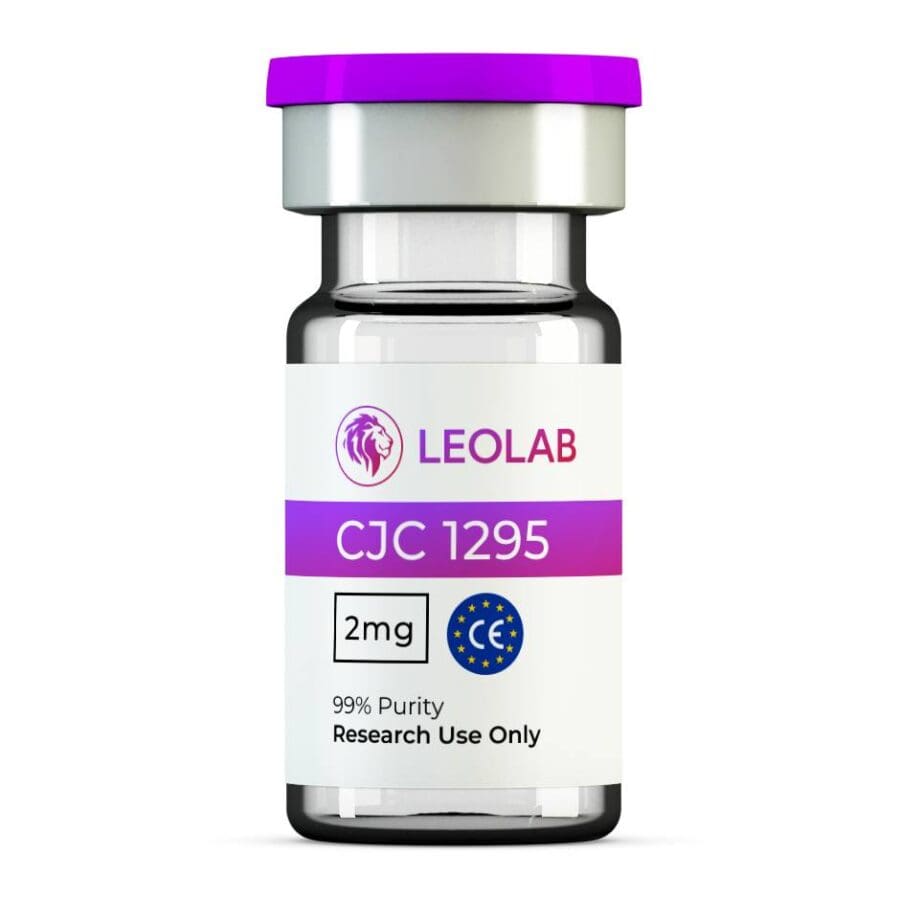
CJC-1295 with DAC is a growth hormone-releasing factor analog based on Mod GRF 1-29, carrying a Drug Affinity Complex group that forms a covalent bond with circulating albumin. It is studied as a long-acting GHRH receptor agonist.
Peptides will arrive in a lyophilized (powder) form for maximum stability.
CJC-1295 without DAC, also designated Mod GRF 1-29, is a stabilized analog of the 1–29 fragment of human growth hormone-releasing factor carrying four substitutions. It is studied as a peptidase-resistant GHRH receptor agonist in pituitary and animal models.
Peptides will arrive in a lyophilized (powder) form for maximum stability.
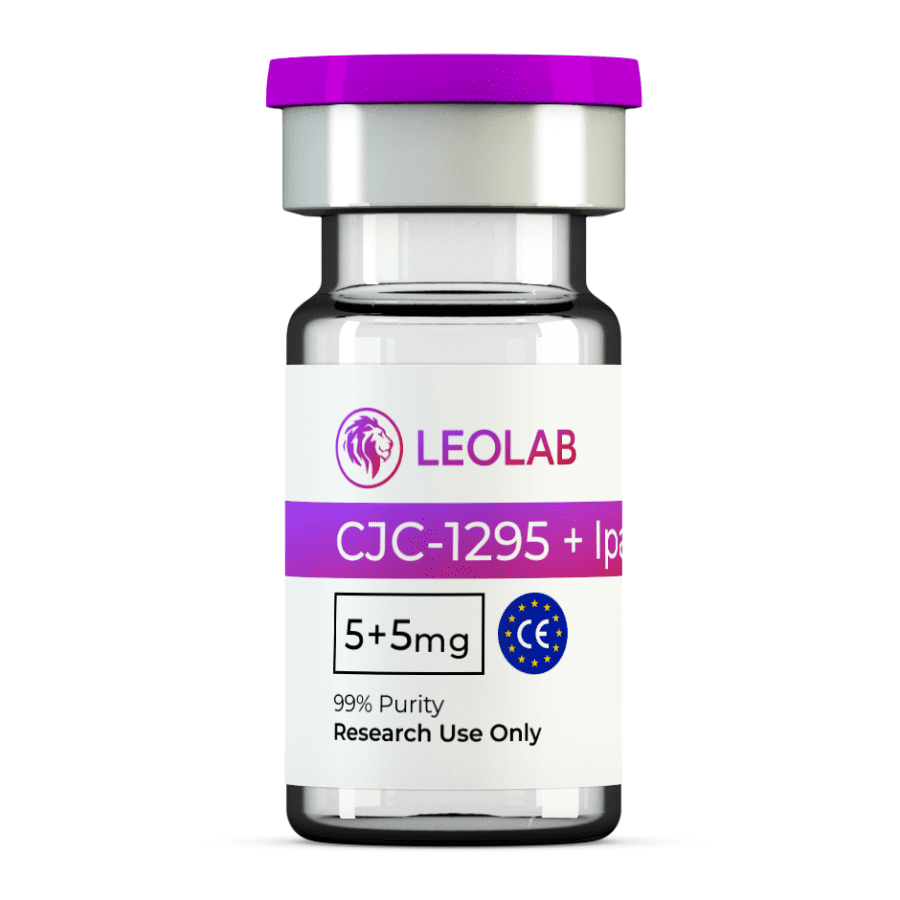
This blend pairs CJC-1295 (Mod GRF 1-29), a stabilized analog of the 1–29 fragment of growth hormone-releasing factor, with Ipamorelin, a selective agonist at the growth hormone secretagogue receptor. The two act at separate receptors and are studied together in secretagogue research.
Peptides will arrive in a lyophilized (powder) form for maximum stability.
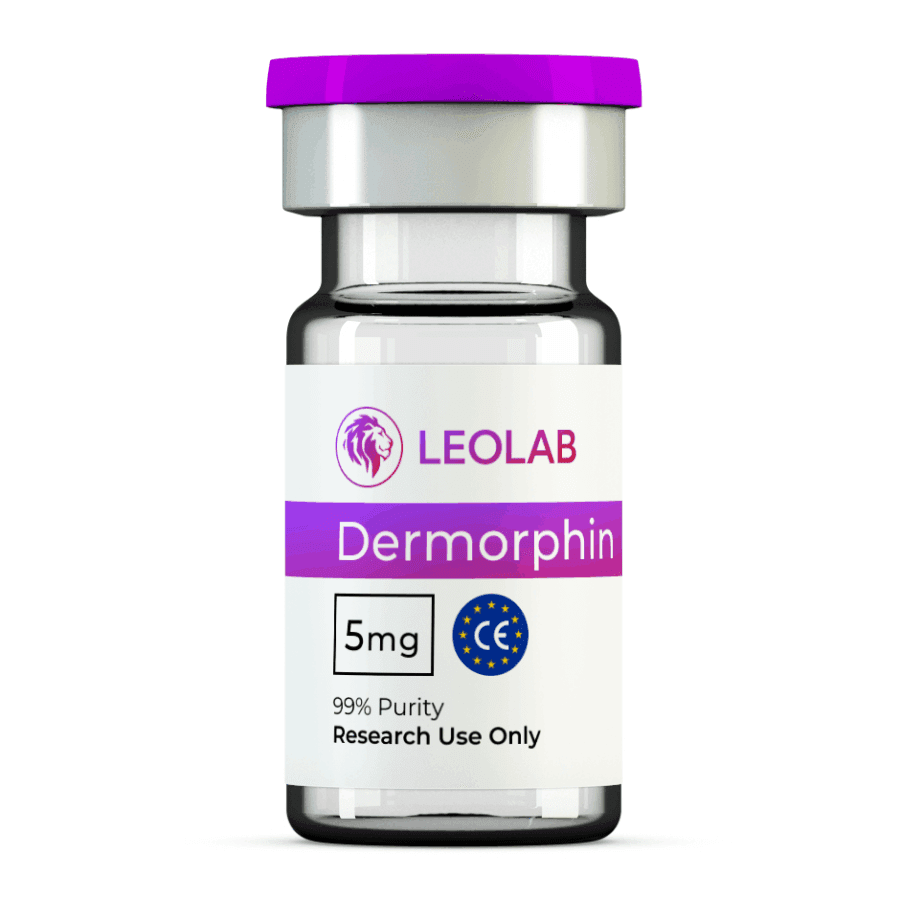
Dermorphin is a heptapeptide isolated from the skin of the South American frog Phyllomedusa sauvagei, notable as one of the first vertebrate peptides found to contain a D-amino acid residue. It is studied in opioid receptor pharmacology.
Peptides will arrive in a lyophilized (powder) form for maximum stability.
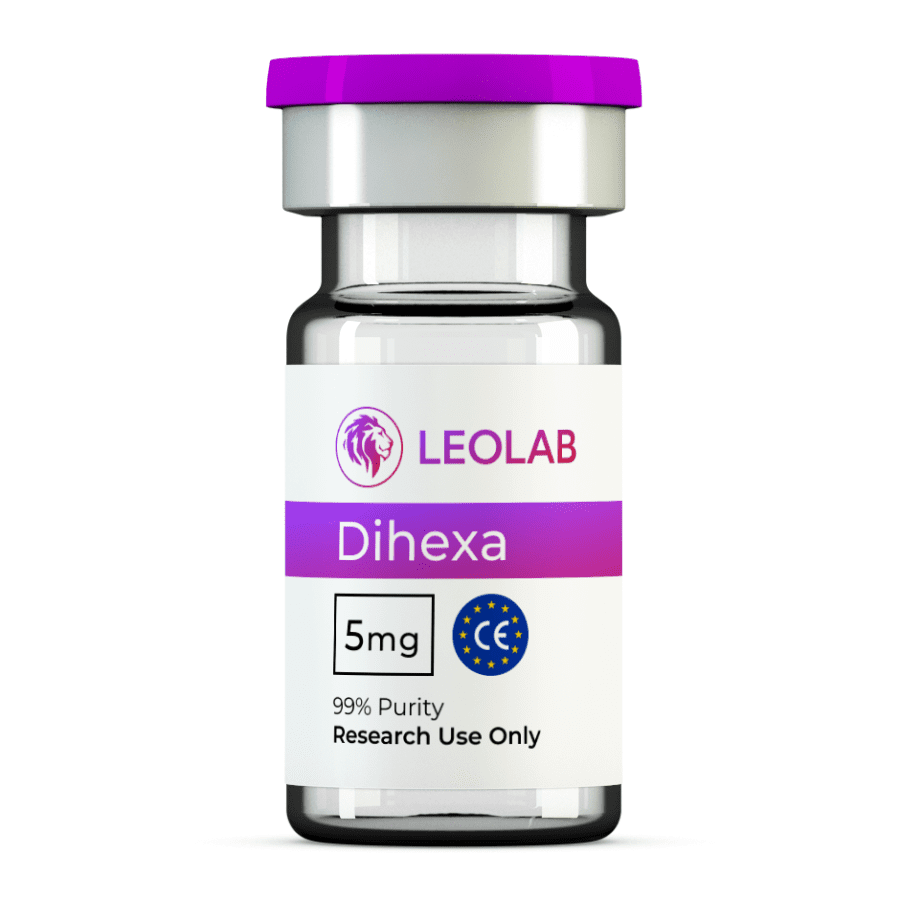
Dihexa is a small peptidomimetic derived from the angiotensin IV analog norleucine1-angiotensin IV, modified for metabolic stability and blood-brain barrier penetrance. It is studied in rodent models of learning and synaptic connectivity.